
Access to Expertise Makes All the Difference
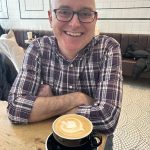
David
State: Virginia
Congressional District:
Diseases
Blood Disease, Cancer, Rare Disease
Issues and Challenges
David has encountered: Access to Expert Providers, Insurance Issues, Rare / Underserved Disease, Transportation, Geography
My Story
Access to Expertise Made the Difference
I was diagnosed with multiple myeloma, a rare blood cancer, in September 2024. Looking back, what stands out most is not a single dramatic failure of the healthcare system, but how much my outcome depended on access - to expertise, to choice, and to timely, specialized care.
For months, I thought I had a pulled muscle.
From March through August of 2024, I lived with persistent back and rib pain. At my annual physical, my primary care doctor didn’t see anything alarming and referred me to physical therapy. I went twice a week. My therapist was excellent she could see my strength and flexibility improving - but I knew something wasn’t right.
At my wife’s urging, I sought a second opinion. An orthopedist ordered imaging after an exam that left me crumpled on the floor in pain. A few days later, after a long bike ride with my kids, I experienced the worst pain of my life - sharp, relentless, and unrelieved by anything. I spent a three-day holiday weekend barely able to move, still assuming it was musculoskeletal.
Then came the call.
The orthopedist asked if I was sitting down. She asked if my wife could join the call. That was when I knew this was serious. She told me they had found a tumor on my spine. She was kind, but she had no experience delivering a cancer diagnosis. I didn’t know whether this was something treatable - or whether I might be dead in a matter of months.
What followed were two of the longest weeks of my life. Tests. Scans. Waiting. A local oncologist worried the cancer had spread from somewhere else - lungs, kidneys, who knew. No one mentioned blood cancer. I didn’t yet know what multiple myeloma was.
At night, when my family went to sleep, my thoughts went to the worst places. I could stay hopeful during the day, but once I was alone, my mind went straight to what I might lose. I kept imagining missing my kids graduating from high school and college, their weddings, meeting my grandchildren. I wasn’t afraid of pain. I was afraid of leaving my wife and children too soon.
Everything changed when I met a multiple myeloma specialist.
I received a diagnosis - but more importantly, I received clarity and hope. I was told about patients who had been living with myeloma for decades. I was encouraged not to Google life expectancy, because science is moving faster than the internet can keep up. I learned that while myeloma isn’t curable yet, it is very treatable. My wife and I left that appointment believing I would live.
That belief mattered more than I can put into words.
We waited to tell our kids - then 12 and 15 - until we understood what I had and how it would be treated. We told them over dinner. It wasn’t easy, but it was grounded in information and a plan. That made all the difference for them - and for us.
It took me several weeks after diagnosis to be emotionally ready to truly learn about my disease. When I was, I dove in. I joined webinars through the International Myeloma Foundation, read everything I could, and spoke with other patients living full lives years after diagnosis. Knowledge gave me agency. Agency gave me confidence.
Access continued to shape my outcome.
When it came time for a stem cell transplant, I had options. One center was closer to home. Another was farther away, but more aligned with the most current treatment approaches for multiple myeloma. I sought a second opinion, even though it meant longer drives and more logistics. Ultimately, I chose the center that embraced newer frontline therapies and matched what I was learning from experts and patient advocates.
That decision changed my trajectory.
I reached MRD-negative status before my stem cell transplant in April 2025 - and sustained that afterwards. I also gained access to a clinical trial for maintenance therapy that I would not have been offered otherwise. I am deeply grateful that geography and circumstance gave me choices, but I’m also aware that many patients are not so fortunate.
I don’t tell this story because my experience was chaotic or adversarial. In many ways, my care went well. I tell it because it could have gone differently. Because in a rare blood cancer like multiple myeloma, access to specialized expertise is not optional, it is essential.
Insurers and health systems often approve what they consider “standard of care,” but myeloma isn’t one-size-fits-all. Treatments evolve quickly. Subtle differences in approach matter. And there are simply not enough disease-specific experts involved in coverage and access decisions.
As a father, I don’t think in terms of “cost-effective care.” I think in terms of time - time to raise my children, time to be with my wife, time to live. If one of my kids were diagnosed with a life-threatening illness, I would go anywhere, see anyone, and do whatever it took to give them the best chance. Patients deserve that same freedom.
Today, I am MRD-negative. My myeloma is inactive, but it isn’t gone. This is a chronic disease I will live with. I’m not a hero or a miracle. I’m an optimist who benefited from access, expertise, and informed choice - and who knows how easily those things could be taken away from the next patient.
My hope is simple: that every patient with a rare or life-threatening illness has timely and affordable access to specialists, second opinions, and the most current treatments available - without having to fight for what could save their life.
My Motivation and Inspiration
My motivation comes from my family - my wife, our two children, and our extended family - and from loss.
I lost my mother suddenly to a brain aneurysm with no warning. My wife lost her father after a long, difficult journey with early-onset Alzheimer’s. Experiencing both sudden and prolonged loss in parents who were still too young has reshaped how I see time, health, and opportunity.
Living with multiple myeloma has reinforced that perspective. It has made me want to seize each day fully, advocate for access to the best possible care, and help others do the same - so more families have time, clarity, and choice when it matters most.
Share This Story
Get the most from every Story
Find A Compelling Patient Story
Share it on social media.
Share Your Story On Our Network
Share your insights, challenges and what keeps you going.