
Speaking for Those Who Cannot: A Multiple Myeloma Story of Progress and Need

Melissa
State: New York
Congressional District:
Diseases
Blood Disease, Cancer
My Story
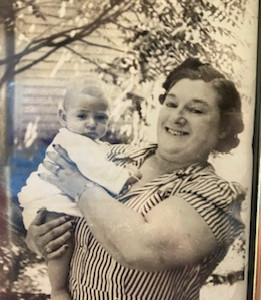
I was named Melissa Martha after my deceased great grandmother, Martha Marsha. It turns out, we share more than MM as our first two initials. Multiple Myeloma (also abbreviated as MM) is the name of the rare blood cancer with which were both diagnosed mid-life.
While much has improved in identification and treatment of MM over the 60+ years that span our diagnoses, with MM now described as a remitting and relapsing disease, MM currently remains an incurable cancer of the blood plasma cells with most people like me, requiring treatment for the remainder of their lives.
Unlike my great grandmother who was diagnosed and sent home to a hospital bed to die within the year, about 60% of the approximate 35,000 people diagnosed with MM annually are expected to be alive in five years. That said, the aggregate data does not tell the full story of this highly variable and complex disease.
The prognoses for those with MM are associated with individual differences such as the type, stage, mutations, and virulence of one’s particular MM, as well as other factors like age, overall health, and level of frailty. At the same time, outcomes are also influenced by access to an MM specialist in one’s community, contemporary treatments, and a strong care support network.
I wish I did not have MM as part of my great grandmother’s legacy. Still, I consider myself incredibly fortunate, truly blessed if you too see the world through such lenses. I am deeply grateful for the hope that comes from the wealth of privileges that my great grandmother and importantly, many others currently do not.
Though rooted in familial biology, my personal story of MM began in 2022 when I was unexpectedly diagnosed with MM through routine bloodwork. Ironically, soon after I was also told to go home and get my personal and professional affairs in order, as my MM and its treatment 100 miles from my home needed to be my priority as I prepared for an autologous stem cell transplant and protracted recovery.
Hopefully you have never experienced anything like this or had to make the types of choices that are involved such prioritization. And though I have a doctoral degree and am employed as a professor with a supportive family and robust social network, it was and remains hard. But imagine for a moment, a person diagnosed with MM who may not understand the information necessary to actively contribute to their care, or the person who is not comfortable or confident in their abilities to ask questions or self-advocate with doctors and insurers, or people who are not afforded the types of individual or systemic advantages, like those whose medical benefits do not cover needed tests and treatments or whose employment does afford flexibility or disability leave.
MM treatment is lifesaving, and for many consists of what is called a triplicate: an immunomodulator, a proteosome inhibitor, and a monoclonal antibody that are billed at ~$90,000 a month. While I am fortunate with good insurance coverage, the out-of-pocket expenses can be burdensome. This is compounded for the majority of those diagnosed with less comprehensive insurance benefits. I share this to illustrate two key points.
Firstly, I implore you to continue support for cancer research, particularly for those with blood cancers like MM. The advances that have come since my great grandmother was diagnosed would not be possible without clinical trials and other federally funded research. Instead of being sent home to die like my great grandmother, patients like me have treatment options and hope.
Secondly, you are likely not hearing from those who need your advocacy and support the most. When MM robs you of your health, energy, and other resources, there is little left over to advocate. We need to reform how Medicare, Medicaid, and some other third-party payers provide coverage for MM treatment, including prescription drug coverage that is a lifeline for those with MM.
In conclusion, I do not want to have MM. I do, however, appreciate the opportunity to use my unique experiences with MM for good, and to begin to transform my challenges as I advocate for others whose voices you may not hear, like my great grandmother who silently went home to die. Thank you for your time and attention.
My Motivation and Inspiration
Legislative Advocacy
Share This Story
Get the most from every Story
Find A Compelling Patient Story
Share it on social media.
Share Your Story On Our Network
Share your insights, challenges and what keeps you going.